LOOK · TRY · CREATE
Drawing & Painting Techniques
Sketching, coloured pencils, acrylic, oil and watercolour. Study the examples, then try the key points.
Clear visual examplesQuick technique tablesSmall steps to practise
Original illustrative examples, not student work. Results vary with paper, paint and tools.
01 / SKETCHING TECHNIQUES
Sketching Techniques
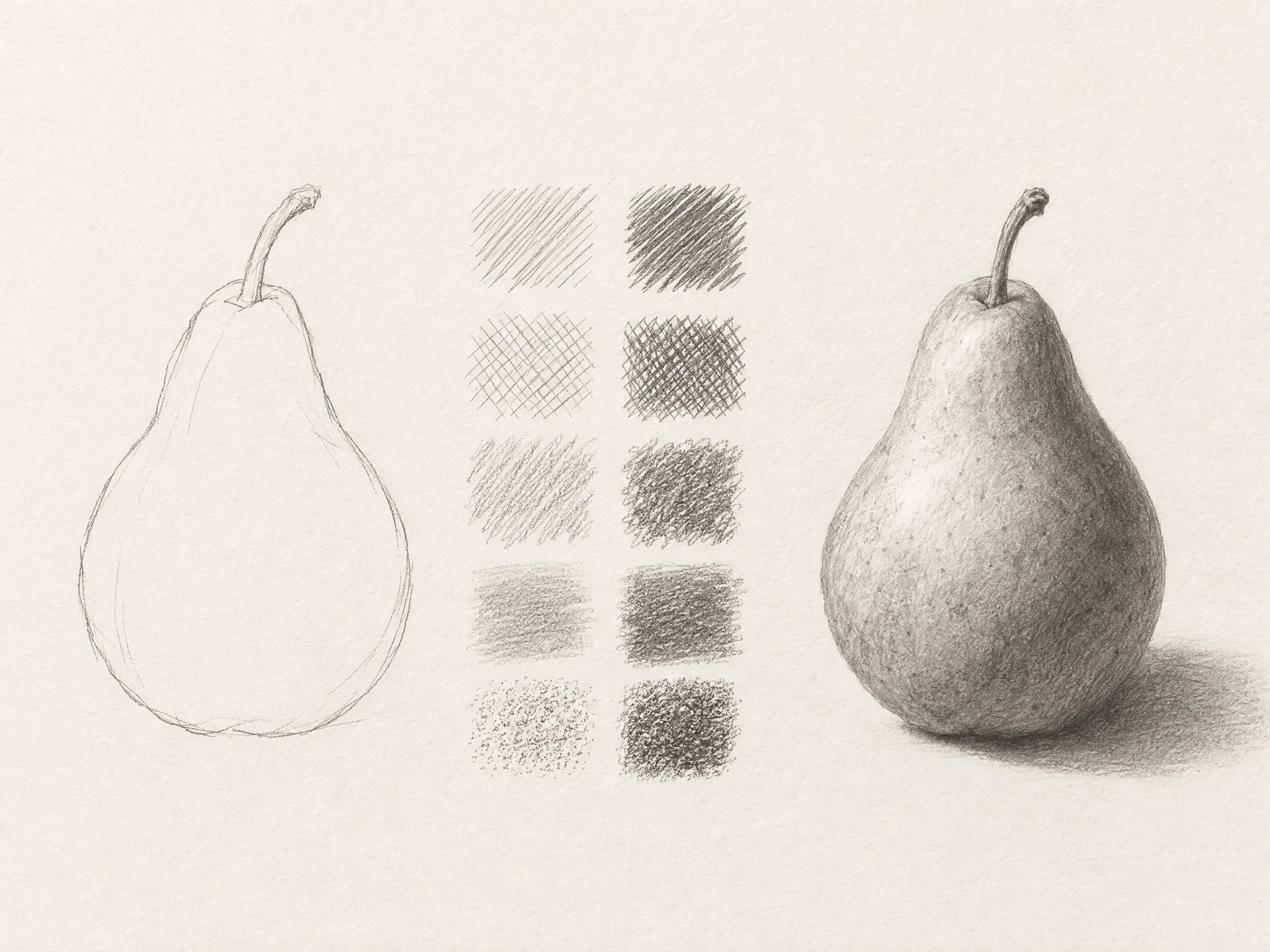
| Techniques | Try this | Keep in mind |
|---|---|---|
| Proportion | Measure height, width, and placement before drawing. | Avoid stretching or shrinking by guesswork. |
| Values | Map light, dark, and middle values first. | Avoid making every shadow equally dark. |
| Hatching | Follow form; vary line spacing to show value. | Avoid random crossings that flatten form. |
Swipe the table sideways on mobile ↔
02 / COLOURED PENCIL TECHNIQUES
Coloured Pencil Techniques
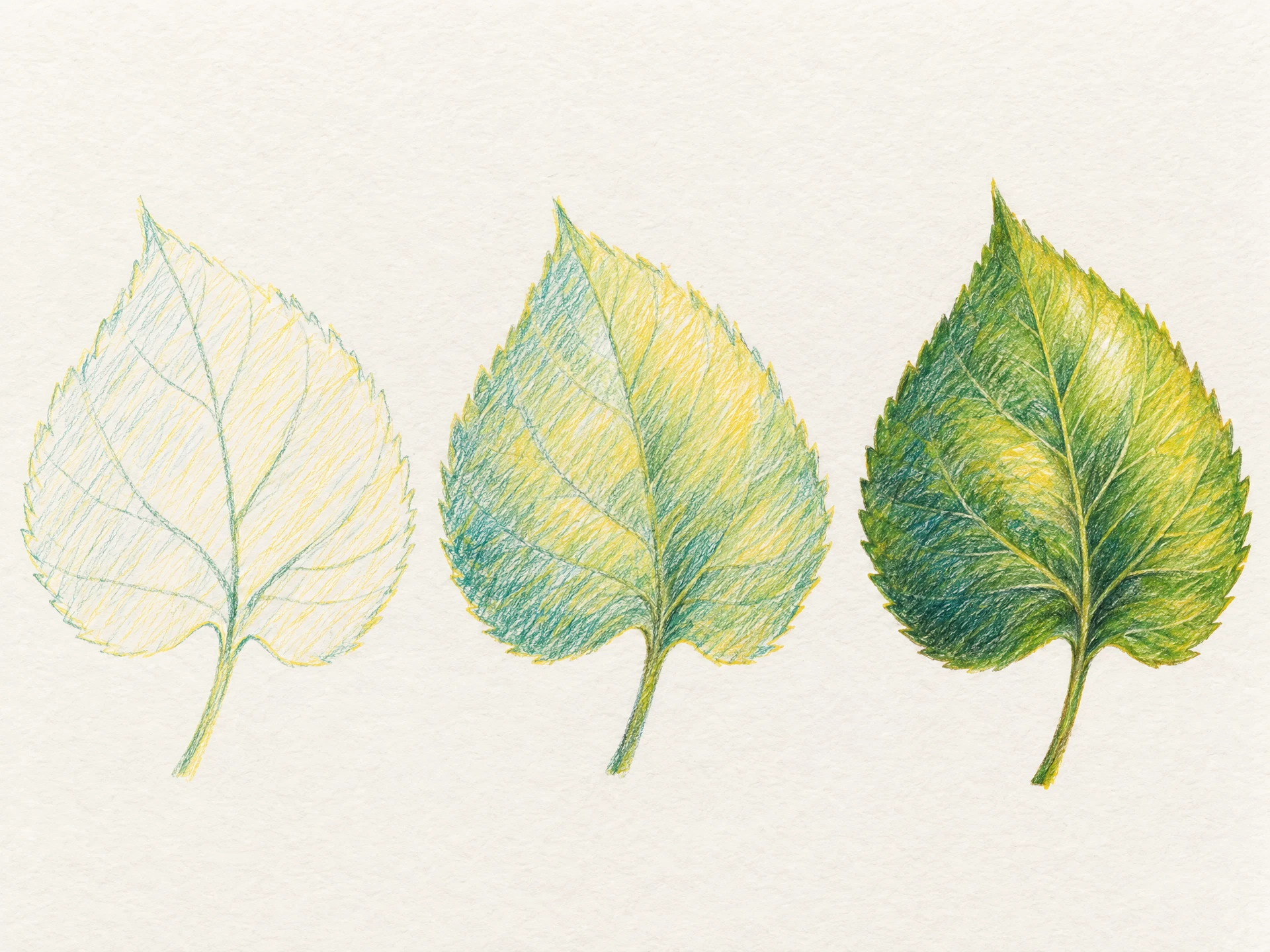
| Techniques | Try this | Keep in mind |
|---|---|---|
| Light Layering | Layer colours lightly; deepen gradually. | Avoid pressing hard early and flattening tooth. |
| Directional Hatching | Stroke with the form; vary pressure for tone. | Do not use random strokes against the form. |
| Preserve Highlights | Set highlights first; colour around bare paper. | Avoid colouring over highlight areas first. |
Swipe the table sideways on mobile ↔
03 / ACRYLIC AND OIL PAINTING TECHNIQUES
Acrylic and Oil Painting Techniques
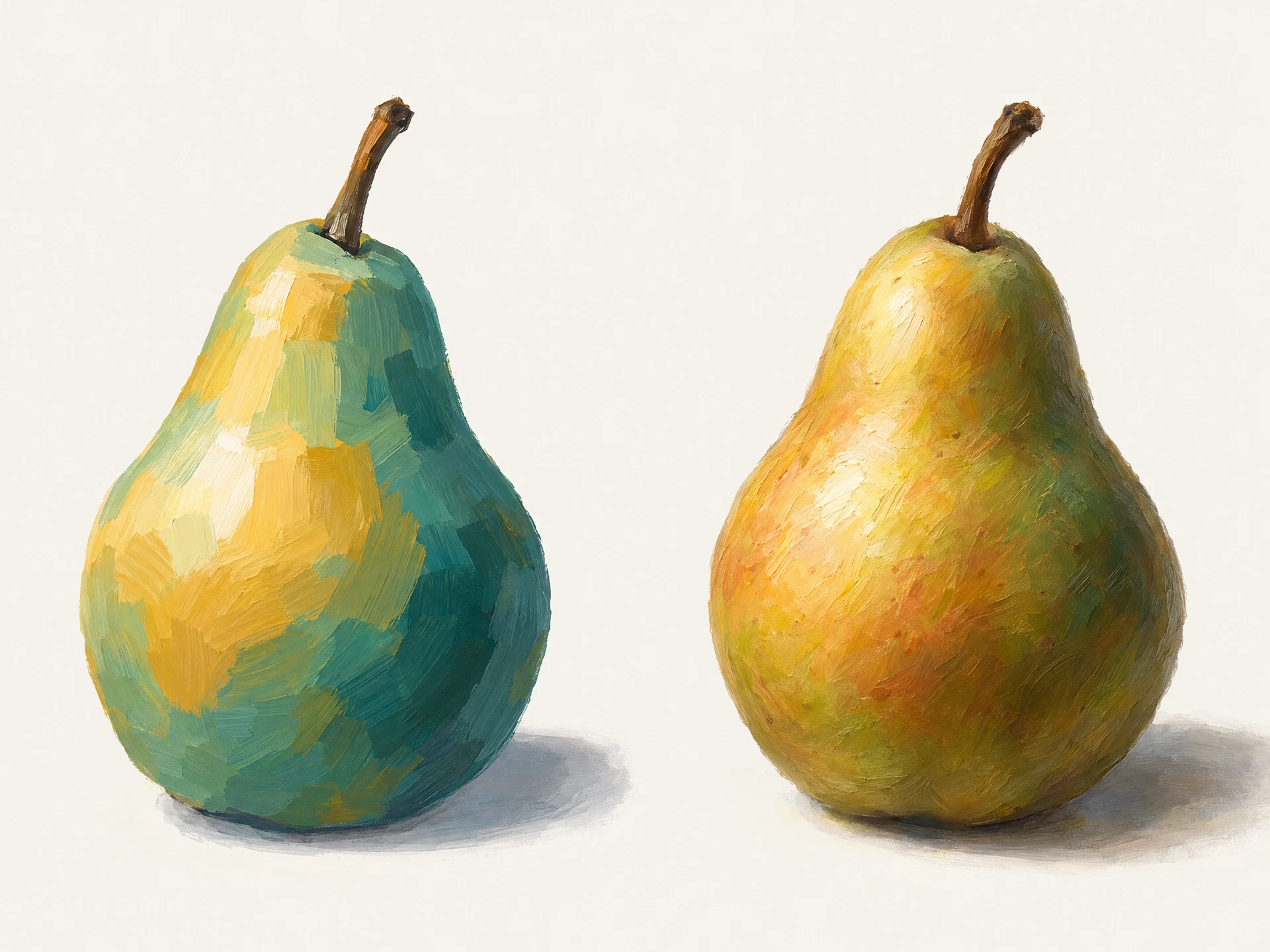
| Techniques | Try this | Keep in mind |
|---|---|---|
| Acrylic Layering | Let thin layers dry before adding colour. | Do not apply acrylic over an oil layer. |
| Oil Layers | Start lean; make successive layers fatter. | Do not add oil or solvent indiscriminately. |
| Values and Composition | Establish composition and major values first. | Avoid details before overall value structure. |
Swipe the table sideways on mobile ↔
04 / WATERCOLOUR TECHNIQUES
Watercolour Techniques
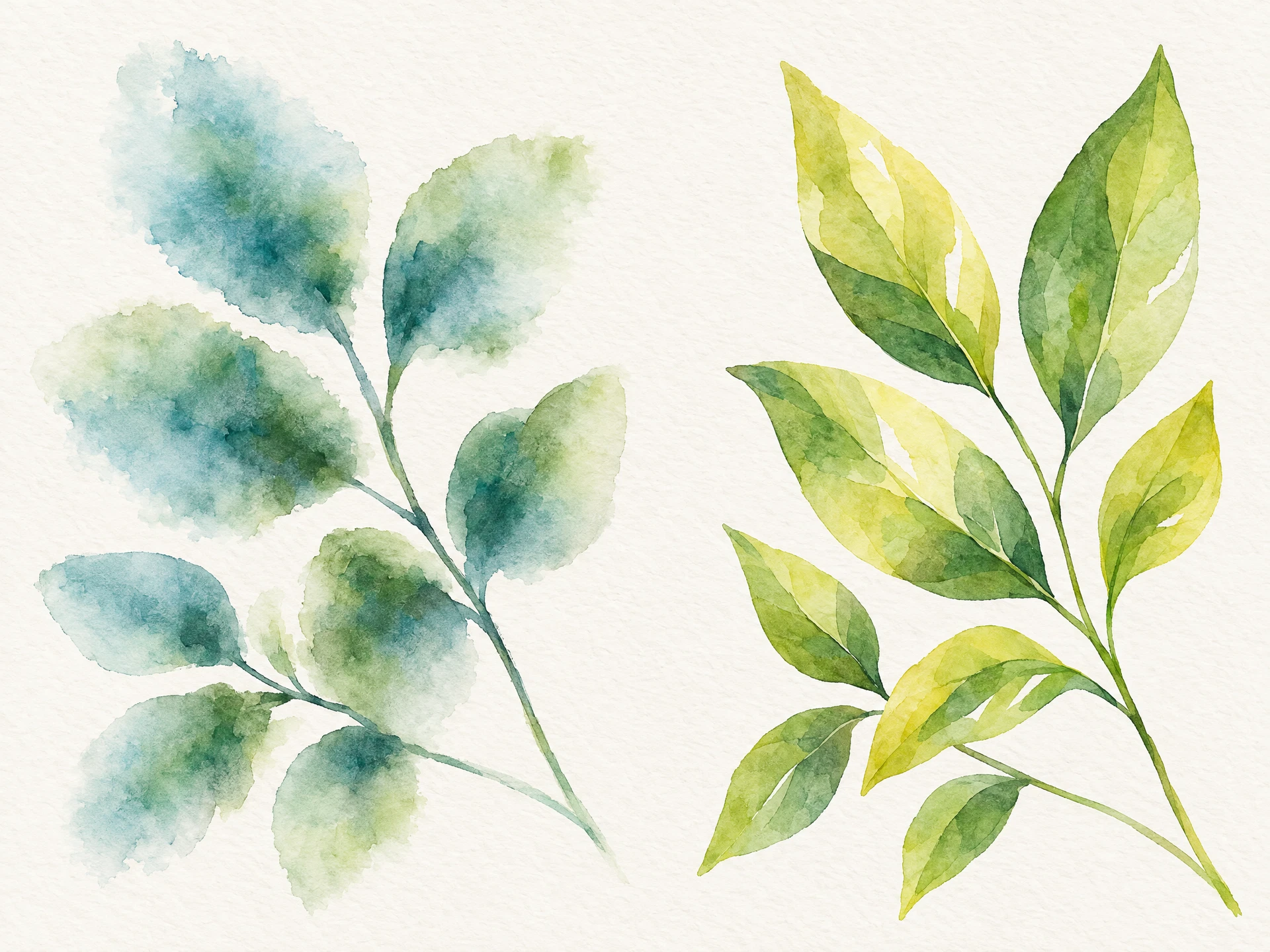
| Techniques | Try this | Keep in mind |
|---|---|---|
| Wet-on-Wet | Apply paint on wet paper for soft blends. | Do not let pools of water spread unchecked. |
| Wet-on-Dry | Work on dry paper for crisp edges. | Do not scrub the same area repeatedly. |
| Reserve Paper White | Plan highlights and leave paper white. | Do not cover all white areas first. |
Swipe the table sideways on mobile ↔
Colour techniques now have their own section. Explore the colour wheel and colour theory on the dedicated page.
Explore colour techniquesUse paints and mediums according to product instructions, with ventilation. Art materials are not for skin or food utensils.