Observation and proportion
Compare large shapes, angles and placement; look at the whole before the details.
ART SPECIALIST / SKETCH
Start with basic lines, geometric perspective and light/volume to understand form and chiaroscuro; suitable for students wanting focused practice in observation and structure.
SKETCHING / COURSE GUIDE
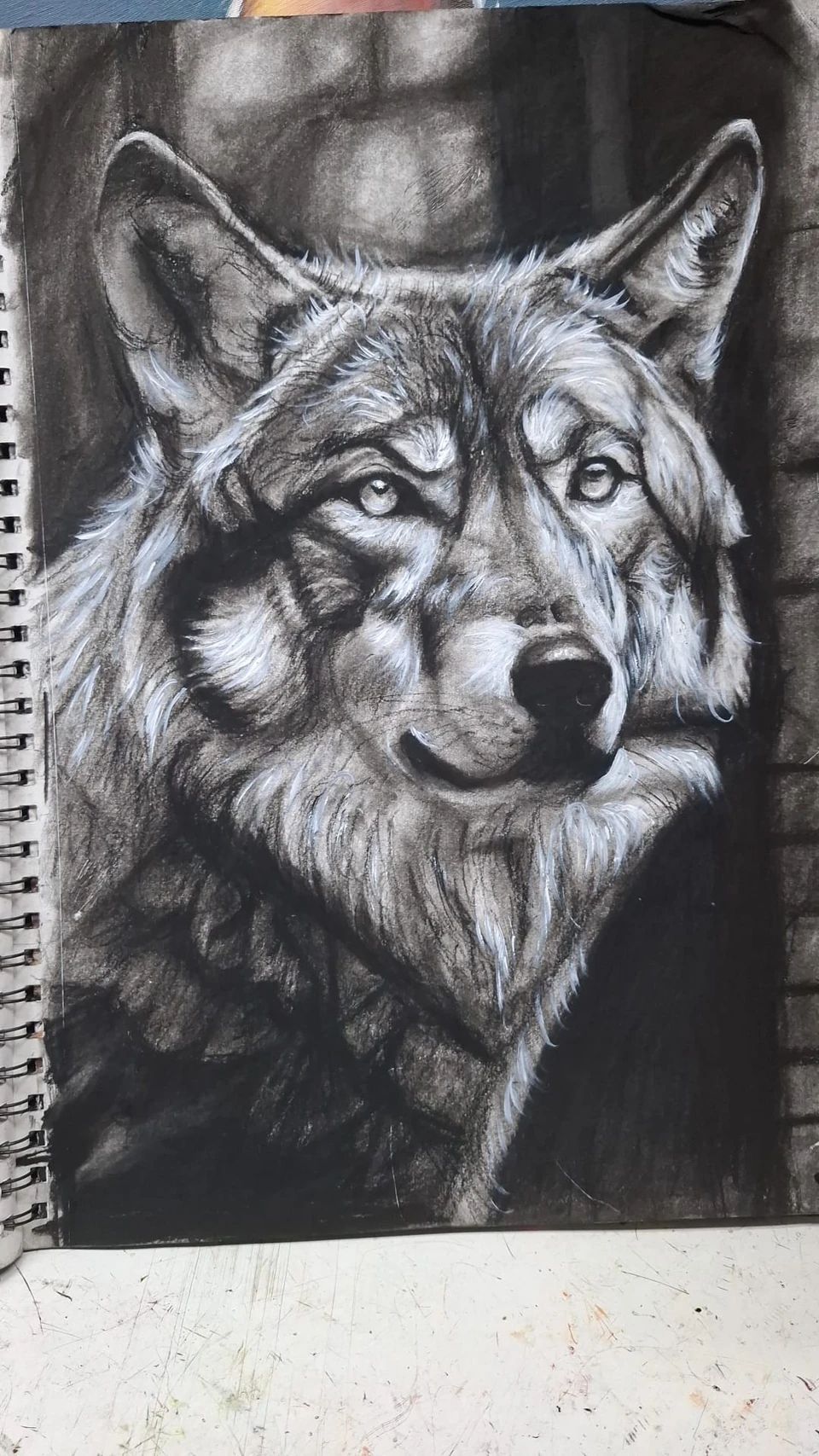
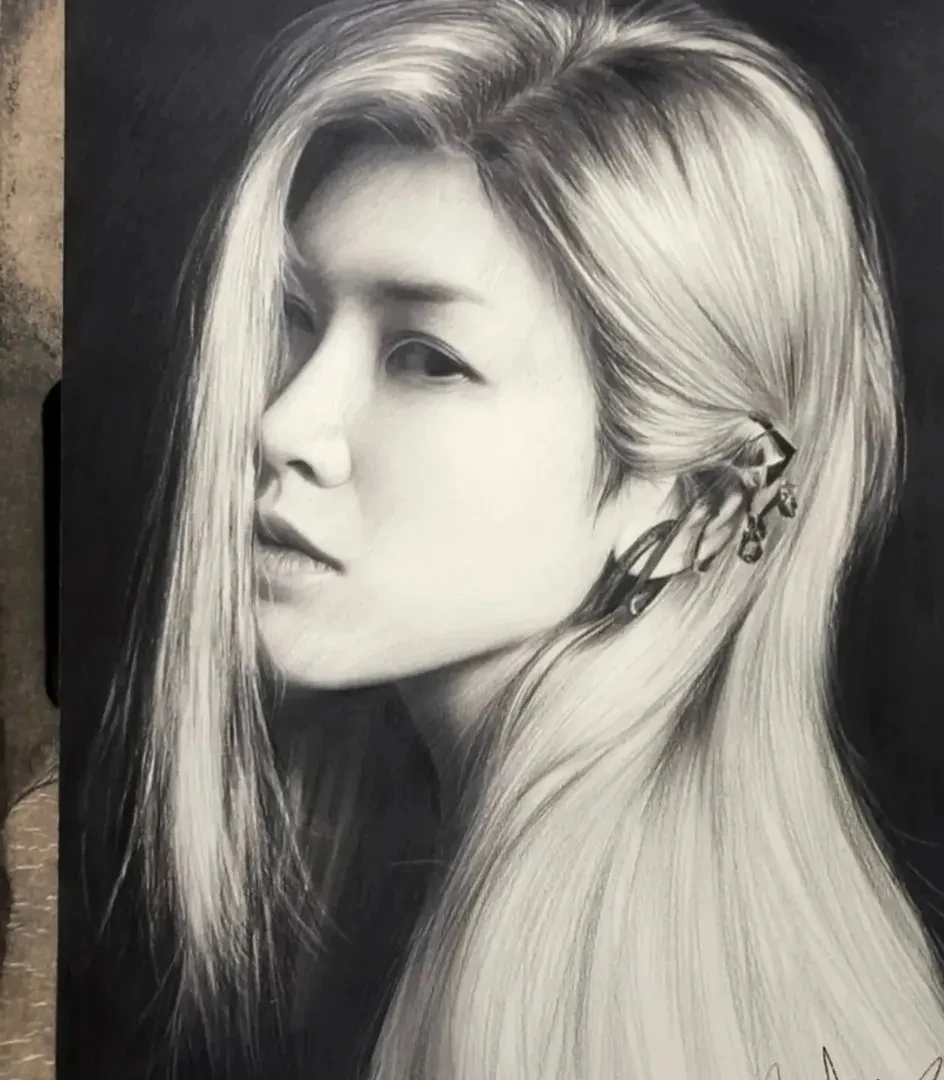
From observation and initial drawing to shading and texture: understand the methods, then apply them to portraits, animals and still life. The reference learning pathway below is adjusted to your experience and goals.
Compare large shapes, angles and placement; look at the whole before the details.
Practise line direction, pencil pressure and tonal scales from light to dark.
Use basic forms to understand spatial relationships, light sources and cast shadows.
Compare highlights, shadows and midtones, and work with soft and defined edges.
Practise textures ranging from hair, skin and fur to glass and fruit.
Arrange focal points, negative space and backgrounds; learn to review and revise a drawing.
First compare the shapes and lighting of the subject and identify the lesson’s focus.
Follow a step-by-step demonstration and try lines, tonal scales or a detail before the whole drawing.
Apply the methods to your own sketch and adjust proportions and tones based on observation.
Compare the initial and revised drawing, keep the process and identify what to practise next.
These are learning stages, not a fixed five-lesson package. Beginners can start with the foundations, while those with experience can strengthen specific skills. The lessons needed for each stage depend on the starting point, subject and progress.
| Stage | Practice | What to review |
|---|---|---|
| 01 / Lines and tone | Basic lines, pressure control and tonal scales. | Are the lines controlled? Are different tones distinguishable? |
| 02 / Basic forms and perspective | Spheres, cubes, simple still life and observation of light sources. | Are proportions, spatial relationships and shadows consistent? |
| 03 / Portrait and animal sketches | Start with large shapes and place facial features, ears and head direction. | Review overall proportions instead of focusing only on one detail. |
| 04 / Developing tone and texture | Facial planes, hair, fur, glass and fruit textures. | Do tonal layers, edges and details support the subject? |
| 05 / A themed drawing and review | Choose a suitable subject and refine composition, background and details. | Can you explain your observations, revisions and next step? |
The time allocation is a reference and may vary with the subject and individual needs; the 90 minutes include tidying. A drawing may continue across lessons, and completion in every lesson is not guaranteed. Please confirm teaching materials, tools and supplies before booking.
SKETCHBOOK / WORK & PROCESS
See completed drawings as well as how they develop. Portraits, animals and still life are shown individually; select an image to enlarge it.
The original four-panel process image is displayed as four separate images, from outline and shading to hair and final review. These are stages of the same drawing, not four independent outcomes.
Observe head direction, facial proportions and feature placement.
Use light and shade to describe facial planes and build volume.
Follow the direction of the hair, preserving light and dark areas.
Review the relationship between the features, hair, background and tones.
Observe beard direction, skin texture and light–dark detail.
Compare the tonal relationships of the eyes, nose, lips and hair.
Study facial structure through changes in the planes and the direction of the hair.
Observe lines, facial hair and modelling in this drawing-in-progress photograph.
Compare the lines and textures of the tail, body and tree stump.
See the drawing process for the same subject and the treatment of detail and overall form.
Observe the proportions of the ears, legs and body, and the contrast between light and dark.
Understand rounded forms through highlights, dark areas and cast shadows.
Compare the textures, forms and background tones of different objects.
Brand-supplied sketching work and drawing-process references; these do not represent a fixed number of lessons, confirmed student outcomes or guaranteed completion in each lesson.
Back to sketching course content and fees ↑Original piano · ambient instrumental
Music is paused by default. Press Play Gentle Music to listen. The default volume is 8%; adjust it as you wish.
Choose whether to play. Pause or stop the music at any time.